Trash to Treasure: How Fine Dining Chefs Are Resurrecting Vegetable Scraps (And You Can Too)
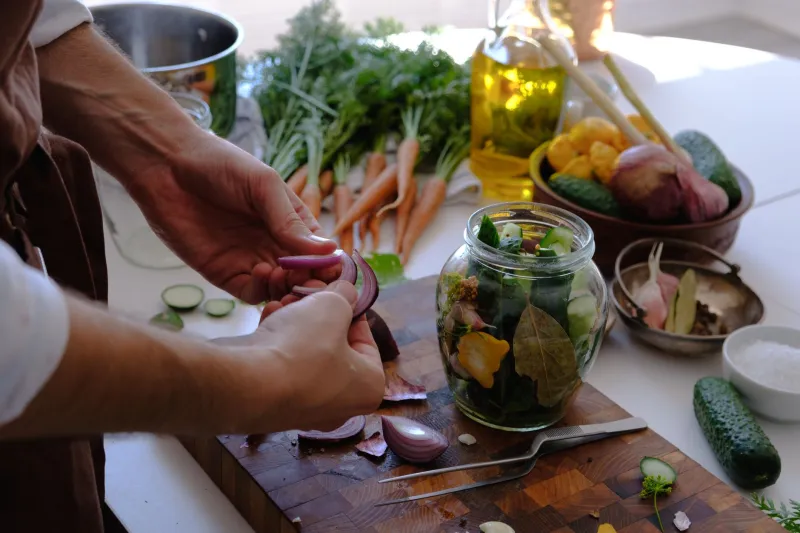
Let's be honest: most of us have a complicated relationship with vegetable scraps. We peel a carrot, toss the feathery green top into the garbage, and move on with our lives, blissfully unaware that we just threw away something a Michelin-starred chef would have turned into a bright, herbaceous chimichurri. We are, collectively, leaving an embarrassing amount of flavor on the cutting board.
But in the upper echelons of plant-based dining, something quietly radical has been happening for the past several years. Zero-waste cooking—the philosophy that every part of every vegetable deserves a second act—has graduated from niche environmental talking point to genuine culinary obsession. And the results, frankly, are delicious enough to make you question every trip you've ever made to the trash can.
The Produce Graveyard Is Actually a Gold Mine
Here's a number that should make you pause before you pitch another bunch of wilted herb stems: the USDA estimates that Americans waste somewhere between 30 and 40 percent of the food supply. A staggering chunk of that waste happens right in our own kitchens, and a disproportionate amount of it is produce. We're essentially buying vegetables, extracting the parts we like, and composting—or worse, landfilling—the rest.
Chefs working in the zero-waste space will tell you this represents a profound failure of culinary imagination. At restaurants like Eleven Madison Park in New York and Dirt Candy in Manhattan's Lower East Side, the scraps that home cooks reflexively discard are treated as raw materials for some of the most complex flavors on the menu. Corn cobs become the base for a smoky, sweet stock. Mushroom stems get dehydrated and ground into an umami powder that goes on everything. Fennel fronds, those wispy little fronds that most recipes tell you to discard, end up as a finishing oil that tastes like someone distilled an Italian summer.
"There's this assumption that the trim is lesser," says one New York-based plant-forward chef who's built her entire tasting menu around the concept of whole-vegetable cooking. "But a lot of the time, the scraps carry more concentrated flavor than the part everyone's fighting over. The outside leaves of a cabbage are more intensely cabbage-y than the pale inner core. The stems of fresh herbs are often more aromatic than the leaves. We've just been trained to throw them away."
What the Pros Are Actually Doing With Your Garbage
The zero-waste playbook in professional kitchens is more sophisticated than simply making stock (though stock is, in fact, a glorious and underrated move). Here's a breakdown of how top chefs are giving scraps their moment in the spotlight:
Dehydrating and powdering. This is the technique that will make you feel like a mad scientist in the best possible way. Tomato skins, beet peels, and herb stems get dried low and slow, then blitzed into intensely flavored powders. These become finishing touches, seasoning blends, or the secret ingredient in a vinaigrette. A pinch of dehydrated mushroom powder on roasted potatoes is the kind of move that makes dinner guests ask what your secret is.
Scrap stocks and broths. Every serious plant-based cook should have a bag in their freezer dedicated to vegetable trimmings—onion skins, celery leaves, carrot peels, leek tops, corn cobs, Parmesan rinds if you're vegetarian rather than vegan. When the bag is full, you make stock. The result is a deeply savory, complex base that store-bought broth will never replicate. Some chefs roast their scraps first for a darker, more caramelized flavor; others keep them raw for something brighter and more delicate.
Pickled and fermented odds and ends. Watermelon rind pickles are a Southern tradition that zero-waste chefs have enthusiastically adopted and expanded. Broccoli stems, thinly sliced, make an exceptional quick pickle. Cauliflower leaves can be lacto-fermented into something tangy and funky that holds its own next to any kimchi. The brine from these pickles, meanwhile, is liquid gold—add it to dressings, cocktails, or anywhere you'd use a splash of acid.
Herb stem oils and pestos. Cilantro stems, parsley stems, basil stems—all of them go into the blender with olive oil, salt, and sometimes a clove of garlic. The result is a vivid, intensely flavored oil that you'll want to drizzle on everything from grilled vegetables to crusty bread. At several upscale plant-based restaurants, these stem oils are what's pooled artfully on the plate before a dish is even plated.
A Recipe You Can Actually Use Tonight
Let's talk about carrot tops, because they are perhaps the most universally discarded and most universally underestimated vegetable scrap in America. Those bushy green fronds get hacked off and trashed by home cooks and supermarket produce departments alike. This is a crime.
Carrot top pesto is one of the simplest and most impressive things you can make, and it requires almost no effort:
Carrot Top Pesto
- 2 cups carrot tops, washed and roughly chopped (stems included)
- 1/4 cup walnuts or pine nuts, toasted
- 2 cloves garlic
- Juice of half a lemon
- 1/2 cup good olive oil
- Salt and red pepper flakes to taste
- Optional: 2 tablespoons nutritional yeast for a cheesy, umami depth
Blend everything except the oil, then stream the oil in while the blender runs. Taste and adjust. Use it on pasta, as a pizza sauce, stirred into grain bowls, or spread on toast with sliced heirloom tomatoes. It's herby, slightly bitter, bright, and deeply satisfying—and it was headed straight for your trash can.
The Environmental Case (Which Is Also the Flavor Case)
Beyond the culinary argument, the environmental math here is compelling. Food waste in landfills generates methane, a greenhouse gas significantly more potent than carbon dioxide over the short term. When we compost, we do better—but when we actually eat our scraps, we do best of all. We get the environmental benefit of reducing waste and we get the flavor benefit of ingredients that cost us nothing extra.
For plant-based eaters specifically, there's something philosophically coherent about zero-waste cooking. The whole project of plant-forward eating is, at its core, about using resources more thoughtfully. Throwing away half of every vegetable you buy runs counter to that spirit in a pretty fundamental way.
The chefs leading this movement aren't doing it out of frugality, though it is genuinely economical. They're doing it because the food tastes better. Because constraints breed creativity. Because there is something deeply satisfying about looking at a pile of trimmings and seeing a meal instead of garbage.
Start Small, Start Tonight
You don't need a Michelin star or a dehydrator to get started. You need a freezer bag for scraps, a blender, and the willingness to pause before you throw something away and ask: what could this become?
Start with stock. Then try a scrap pesto. Then, when you're feeling adventurous, spread some vegetable peels on a sheet pan, roast them until crispy, season them aggressively, and call them chips. Because they are chips. Delicious, free, previously-trash chips.
The produce graveyard, it turns out, is teeming with life. You just have to be willing to dig.