Savory From the Grave: The Secret Ingredients Turning Plant-Based Skeptics Into True Believers
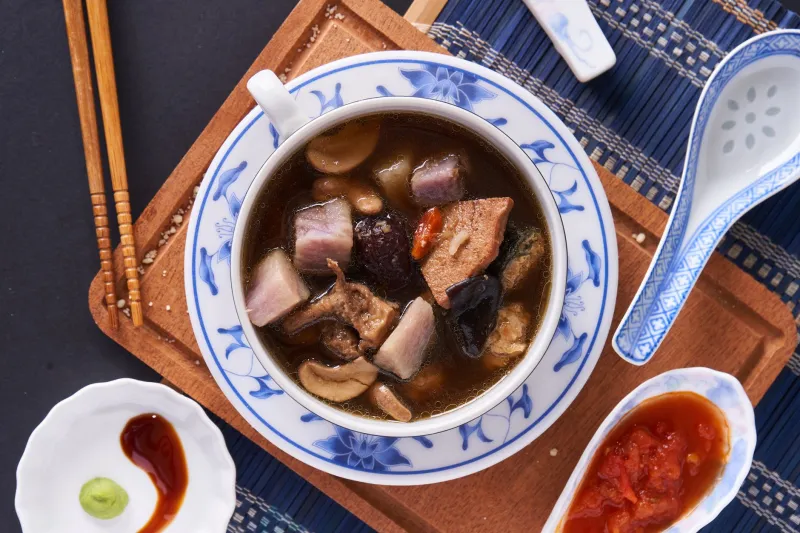
There's a moment — you've probably witnessed it — when a committed carnivore takes a reluctant bite of something plant-based and their face does the thing. The eyebrows lift. The chewing slows. The fork hovers uncertainly over the plate before descending again, faster this time. Something has short-circuited their expectations, and the culprit is almost always the same: umami.
For decades, the knock on plant-based cooking was that it lacked depth. Salads were rabbit food. Tofu was punishment. Veggie burgers tasted like compressed regret. That reputation wasn't entirely unfair — plenty of early plant-based cooking genuinely did miss the mark on the kind of savory, mouth-coating satisfaction that makes you lean back in your chair and sigh. But something has shifted in American kitchens, both professional and home, and the shift has a name: the umami uprising.
What Even Is Umami, Anyway?
Umami is the fifth taste — alongside sweet, salty, sour, and bitter — and it's essentially your tongue's way of detecting glutamates, the amino acids that signal protein-rich, biologically valuable food. Evolutionarily speaking, your brain is wired to crave it. It's the reason a bowl of parmesan-laden pasta feels more satisfying than a plain bowl of noodles. It's why soy sauce makes everything taste more like itself, only better.
The conventional wisdom was that umami lived primarily in meat, aged cheese, and fish sauce — animal products that plant-based eaters had to leave behind. But here's the twist the food world has been quietly reckoning with: some of the most glutamate-dense foods on the planet are completely, unapologetically plant-based.
Tomatoes. Soy. Fermented miso. Nutritional yeast. Dried mushrooms. Seaweed. These aren't consolation prizes. They're heavy hitters.
The Ingredient Arsenal
Chef Marlowe Diaz, who runs a celebrated plant-forward tasting menu out of Chicago, describes her pantry as "a graveyard of fermented things, and I mean that lovingly." Her approach to building savory depth starts long before anything hits the stove.
"People think umami is something you add at the end, like a finishing salt," she explains. "But the chefs who are really doing it right are layering it from the very beginning. You're building a foundation."
Her foundation typically starts with one or more of the following:
Miso — White, yellow, red, or the funky aged varieties: miso is fermented soybean paste and it is, frankly, a miracle. The fermentation process breaks down proteins into free glutamates, which means a spoonful of red miso stirred into a braise or a vinaigrette delivers a savory punch that is genuinely difficult to source elsewhere. Red miso in particular, aged longer than its milder white cousin, carries an almost meaty depth.
Dried mushrooms — Shiitake, porcini, and morel mushrooms don't just taste good dried; they transform. The drying process concentrates their glutamate content dramatically, and the soaking liquid they leave behind — that murky, fragrant mushroom broth — is liquid gold. Toss it, and you are making a serious culinary mistake.
Nutritional yeast — The ingredient that launched a thousand skeptical eyebrows. "Nooch," as the devoted call it, is deactivated yeast with a cheesy, nutty, savory flavor profile and a glutamate content that rivals parmesan. Sprinkled on popcorn, stirred into cashew cream sauces, or blended into a roux, it is one of the most versatile tools in the plant-based kitchen.
Soy sauce, tamari, and coconut aminos — Fermented soy products are among the oldest umami delivery systems in human culinary history. A good tamari (gluten-free and typically richer than standard soy sauce) can round out a dish's savory profile the way a good stock rounds out a French sauce.
Tomato paste — Cooked down until it deepens and caramelizes, tomato paste is a sleeper hit of the umami world. Its glutamate levels are sky-high, and when you let it brown in a hot pan before adding liquid, you're extracting flavor complexity that most people associate exclusively with slow-cooked meat.
Layering Like a Pro
Knowing your ingredients is one thing. Knowing how to stack them is another.
Jordan Fisk, a self-taught home cook from Portland, Oregon, who documents his experiments on social media, describes his method as "building a haunted house of flavor." Every layer should surprise you a little.
"I start with a miso and tomato paste base, cook it down hard, then add dried mushrooms and their soaking liquid," he says. "By the time anything else goes in the pot, I've already got this ridiculous depth of flavor. Then I can add whatever vegetables I want and they just absorb all of that."
This technique — building a savory fond before adding your main ingredients — is something professional kitchens have done with meat stocks for centuries. The plant-based version is not a lesser substitute. It is a genuinely different, and in some ways more complex, approach.
Chef Diaz also swears by what she calls "the umami finish": a small hit of something fermented or glutamate-rich right before plating. A few drops of white soy sauce. A scrape of miso thinned with rice vinegar. "It's like turning the lights up just a little at the end," she says. "Everything gets brighter."
Winning the Skeptics
The cultural moment here is real. Plant-based dining in America has moved well past the fringe, and the restaurants and home cooks leading the charge aren't succeeding because they've convinced people to care about the environment (though, hey, that's a bonus). They're succeeding because the food genuinely tastes extraordinary.
The umami uprising is, at its core, a flavor argument. It says: you don't need a ribeye to feel satisfied. You need glutamates, fat, aromatics, and the kind of layered complexity that makes your brain light up. All of those things are achievable — some would argue more achievable — without a single animal product in sight.
And when that skeptic at the dinner table takes the second bite? That's not charity. That's a convert.
A Dead Simple Umami Bomb Broth (That Goes With Everything)
Want to try this at home? Start here. This broth is the backbone of soups, braises, grain bowls, and sauces. Make a batch on Sunday and use it all week.
Ingredients:
- 1 oz dried shiitake mushrooms
- 2 tbsp tomato paste
- 2 tbsp white or yellow miso
- 1 tbsp tamari or soy sauce
- 4 cups water
- 1 strip dried kombu (optional, but highly recommended)
- 3 garlic cloves, smashed
- 1 tsp neutral oil
Method: Heat oil in a saucepan over medium-high. Add tomato paste and cook, stirring, for 2-3 minutes until it darkens slightly. Add garlic and cook 1 minute more. Add water, dried mushrooms, and kombu (if using). Bring to a gentle simmer and cook 20 minutes. Remove from heat. Whisk in miso and tamari. Strain, pressing the mushrooms to extract all their liquid. Taste. Adjust salt. Try not to drink it directly from the pot.
This is what depth of flavor looks like. No bones required.