Dirt Rich: How America's Top Chefs Are Making Root Vegetables the Star of the Show
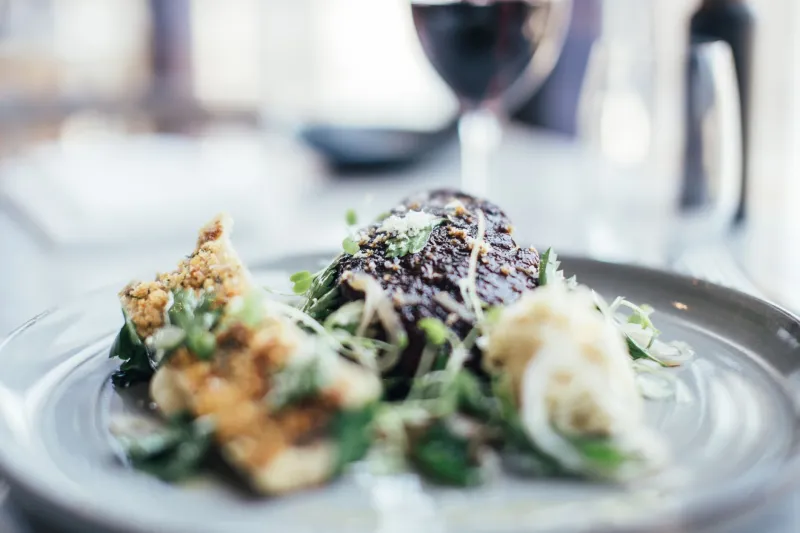
There's a quiet revolution happening underneath the soil of American fine dining, and it smells faintly of earth, vinegar, and something your grandmother would have called "peasant food" — right before she served it to twelve people and called it a Wednesday.
Root vegetables — beets, parsnips, turnips, celeriac, sunchokes, and their knobby, dirt-caked cousins — have long been the supporting cast of the culinary world. They lurked at the edges of plates, roasted into submission or boiled into beige oblivion. But something has shifted. Across the United States, from the farm-to-fork temples of San Francisco to the buzzy new tasting menus in Nashville and Chicago, these underground underdogs are getting their close-up. And honestly? They've earned it.
The Underground Movement (Yes, We Went There)
Chef Mara Voss of Chicago's acclaimed plant-forward restaurant Loam has been championing root vegetables since before it was fashionable. "People used to look at me sideways when I put a whole roasted celeriac on the menu as a main course," she says, laughing. "Now I can't keep up with demand. Something clicked culturally — people started asking where their food comes from, and it turns out the answer is often underground."
Voss isn't alone in this observation. Across the country, a new generation of chefs is treating root vegetables with the same reverence once reserved for A5 wagyu or hand-dived scallops. The techniques being applied to these humble ingredients are, frankly, wild — and we mean that in the best possible way.
At Terroir in Asheville, North Carolina, executive chef Dani Reyes slow-roasts whole beets for six hours in a salt crust, then serves them carved tableside in a dark, dramatic dining room that makes the whole experience feel like a ritual. "The salt crust creates this incredible steam environment," Reyes explains. "The beet essentially cooks in its own atmosphere. When you crack it open, the aroma alone is worth the ticket price."
Beet Leather, Fermented Shrubs, and Other Things That Sound Weird but Taste Amazing
If you think roasting is the ceiling of root vegetable ambition, buckle up.
Beet leather — essentially a dehydrated purée rolled thin, dried, and cut into elegant sheets — is appearing on tasting menus from Portland, Oregon, to Miami, used as a wrapper, a garnish, or a standalone bite paired with whipped goat cheese or cashew cream. The texture is chewy, the color is an almost violent magenta, and the flavor is intensely concentrated in a way that fresh beets simply cannot achieve.
Fermented beet shrubs — drinking vinegars made from lacto-fermented beets — are showing up both in craft cocktail programs and as non-alcoholic pairing options. At Root & Revel in Denver, the house shrub is made from Chioggia beets fermented for three weeks with black pepper and star anise, then mixed with sparkling water and a squeeze of blood orange. It tastes like something a very sophisticated vampire would order at brunch, and we mean that as the highest possible compliment.
Chef Kenji Abara of Substrata in Brooklyn has taken things even further with a beet tartare that mimics the look and textural experience of beef tartare so convincingly that more than a few omnivorous diners have done a double-take. "I use golden beets, shaved very thin and then hand-cut into tiny cubes," Abara explains. "Caper brine, a little smoked paprika, pickled mustard seeds, and a raw egg yolk from a local farm if the guest wants it. It's playful. It makes people rethink what 'serious food' can look like."
Why Now? The Sustainability Case for Going Underground
This isn't just aesthetic trend-chasing. There are real, substantive reasons why root vegetables are having their moment, and they go well beyond the fact that beets photograph beautifully on a dark ceramic plate (though, to be fair, they really do).
Root vegetables are, by nearly every metric, among the most sustainable crops a chef can put on a menu. They require less water than most above-ground vegetables, they store exceptionally well without refrigeration, they're typically grown regionally across most of the US, and they produce minimal food waste — the greens of beets, turnips, and radishes are all edible and increasingly appearing on menus in their own right.
"I can source beets from farms within 50 miles of my restaurant for most of the year," says Voss. "The carbon footprint is almost nothing compared to flying in ingredients from across the world. And the flavor of a locally grown, freshly harvested beet versus something that's been sitting in a warehouse for three weeks? It's not even a comparison."
The economics work for restaurants, too. Root vegetables remain dramatically less expensive than premium proteins, which means creative chefs can invest in technique and presentation without blowing out their food costs — a not-insignificant consideration in an industry where margins are notoriously brutal.
The Parsnip Gets Its Flowers (Figuratively Speaking)
While beets have become the face of the movement — their color alone makes them natural Instagram bait — the broader root vegetable category is quietly benefiting from the same rising tide.
Parsnips, long dismissed as the boring white cousin of the carrot, are being caramelized to deep golden perfection and served with miso butter and toasted hazelnuts at restaurants like Grist in Philadelphia. Sunchokes (also called Jerusalem artichokes, despite being neither from Jerusalem nor an artichoke) are being prepared as silky purées, crisped into chips, and even fermented into pastes that add deep umami complexity to plant-based dishes. Turnips are being pickled, charred, and slow-braised with koji until they achieve a meatiness that makes you question everything you thought you knew about texture.
Celeriac — that gnarly, alien-looking root that resembles something you might find on a prop table for a science fiction film — is perhaps the most exciting of the bunch. Roasted whole, it develops an interior that's almost custard-like, with a flavor somewhere between celery, parsley, and pure comfort. Sliced thin and served raw, it's crisp and clean. Puréed, it's luxurious. Chef Reyes calls it "the sleeping giant of the vegetable world," and she's not wrong.
Where to Experience the Root Revolution Right Now
Ready to let a vegetable make you emotional? Here are a few destinations worth planning a trip around:
- Loam, Chicago — The tasting menu changes with the season, but root vegetables are always central. Book at least a month in advance.
- Terroir, Asheville, NC — The salt-crusted beet experience is unmissable. Pair it with their fermented beverage list.
- Substrata, Brooklyn, NY — Abara's beet tartare alone is worth the subway ride.
- Root & Revel, Denver — Half restaurant, half root vegetable education. The shrub cocktail program is extraordinary.
- Grist, Philadelphia — Parsnip skeptics will leave converted. The caramelized parsnip with miso butter is a religious experience.
The root vegetable renaissance isn't a fad. It's a correction — a long-overdue recognition that some of the most flavorful, versatile, and sustainable ingredients in the American culinary landscape have been literally buried. The chefs leading this movement aren't doing it out of novelty. They're doing it because the food is extraordinary.
And frankly, it's about time the beet got its flowers.