Raise the Dead: The Chefs and Seed Savers Bringing Extinct Vegetables Back to Your Plate
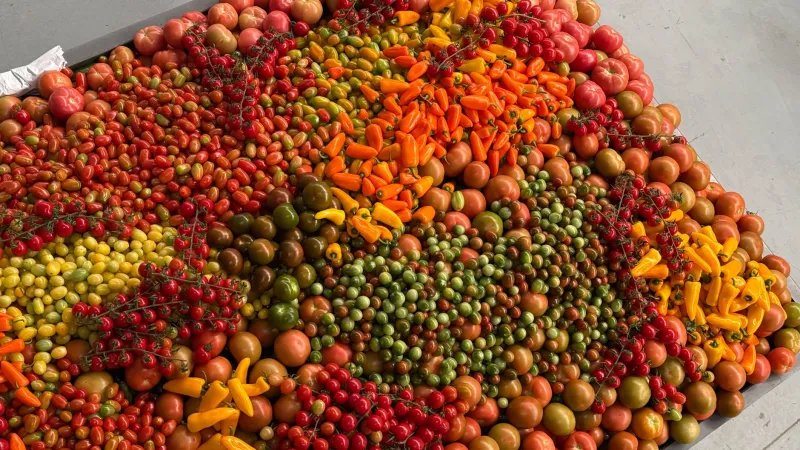
Let's take a moment of silence for the Mortgage Lifter tomato's lesser-known cousins, the hundred varieties of squash that never made it to a Whole Foods shelf, and the beans your great-grandmother grew in a backyard that no longer exists. Agriculture didn't just lose flavor over the last century — it lost entire worlds. According to the Food and Agriculture Organization of the United Nations, roughly 75 percent of plant genetic diversity vanished between 1900 and 2000. That's not a typo. Three-quarters of the edible plant universe, gone in a hundred years, mostly because industrial farming decided it only needed a handful of high-yield, long-haul-shipping-friendly winners.
The good news? Death, at least in the vegetable kingdom, is increasingly negotiable.
A Graveyard With a Germination Rate
Across the United States, a growing network of seed libraries, regenerative farms, and genuinely unhinged (we mean that affectionately) plant-based chefs are treating agricultural extinction like a problem worth solving — and a menu worth building. These aren't hobbyists pressing dried flowers in notebooks. They're running professional kitchens, partnering with institutions like the Seed Savers Exchange in Decorah, Iowa, and the Native Seeds/SEARCH conservancy in Tucson, Arizona, and pulling vegetables back from the brink one carefully cultivated plot at a time.
The Seed Savers Exchange alone maintains over 20,000 rare and heirloom varieties. Think about that the next time you're staring at three types of bell pepper at your local supermarket.
Some of the vegetables teetering closest to the edge are genuinely jaw-dropping in their weirdness and potential. The Grandmother Einck's Dill tomato, a translucent yellow-green variety with a flavor profile that reportedly tastes like what a tomato dreams about being. The Hidatsa Red bean, a Native American crop with a nutty, complex depth that makes your average kidney bean look like it's been living in a sensory deprivation tank. The Tennis Ball lettuce, a tight, buttery head variety that Thomas Jefferson grew at Monticello and that nearly disappeared entirely before seed savers caught it.
These aren't niche ingredients for the sake of being difficult. They're genuinely, often dramatically, better than what industrial agriculture handed us as a consolation prize.
The Chefs Who Refused to Let Them Go
In Asheville, North Carolina, chefs at several plant-forward restaurants have built direct sourcing relationships with Appalachian seed keepers, putting Cherokee Trail of Tears beans and Candy Roaster squash — a massive, salmon-colored behemoth with a sweetness that borders on absurd — on menus where they earn the kind of reverence usually reserved for truffles. Spoiler: they deserve it.
Out in the Pacific Northwest, farms collaborating with Indigenous food sovereignty organizations are reviving camas bulbs and wapato, aquatic tubers that sustained entire communities for centuries before colonization and monoculture farming conspired to make them nearly invisible. Plant-based restaurants in Portland and Seattle are starting to feature these ingredients not as a gimmick but as an act of genuine culinary and cultural restoration.
In the Midwest, a new wave of farm-to-table vegetarian spots is working with small-scale growers to resurrect Mortgage Lifter tomatoes, Jimmy Nardello peppers (a sweet, thin-skinned Italian frying pepper that caramelizes into something that should probably be illegal), and the Aunt Mary's Paste tomato — a variety so rich and low-moisture it practically makes its own sauce. These chefs aren't just sourcing cool ingredients. They're functioning as a kind of culinary emergency response team, creating economic demand for varieties that would otherwise have no reason to exist commercially.
Why This Matters More Than Your Instagram Feed
Here's the part where we get briefly serious before returning to our regularly scheduled vegetable enthusiasm. Biodiversity isn't just a talking point — it's agricultural insurance. Monoculture farming, the practice of growing single crop varieties at massive scale, is catastrophically vulnerable to disease, climate disruption, and pest pressure. The Irish Potato Famine was, at its root, a biodiversity failure. When you eat an heirloom variety, you're not just having a more interesting dinner. You're participating in the preservation of genetic material that could matter enormously as climate change reshapes what's possible to grow where.
Plant-based eating already carries a lighter environmental footprint than animal agriculture. Add heirloom and heritage varieties grown through regenerative practices — which rebuild soil health, sequester carbon, and reduce synthetic input dependence — and you're looking at food that's doing actual ecological work just by existing on your plate. That's a lot of moral weight for a squash to carry, but the Candy Roaster seems up to it.
How to Get In on the Resurrection (Without Owning a Farm)
You don't need a half-acre and a subscription to Mother Earth News to participate in this movement, though we won't judge you if you have both.
Find your local seed library. Hundreds of public libraries across the US now operate seed lending programs where you can check out heirloom seeds, grow them, and return seeds at the end of the season. The Richmond Grows Seed Lending Library in California and the Seed Library of Los Angeles are excellent models, and a quick search for "seed library" plus your city will likely turn up something nearby.
Shop farmers markets with intention. When you see a vendor with weird, lumpy, improbably colored tomatoes or beans in shades that seem cosmically wrong, buy them. Ask questions. Those growers are doing the preservation work, and your dollars are a direct vote for continued existence.
Order from heirloom seed companies. Baker Creek Heirloom Seeds out of Mansfield, Missouri, is essentially the Louvre of vegetable genetics — their catalog reads like a love letter to agricultural diversity. Territorial Seed Company in Oregon and Southern Exposure Seed Exchange in Virginia are also outstanding resources, particularly for regionally adapted varieties.
Pressure your favorite plant-based restaurants. Ask where their produce comes from. Ask if they work with any regenerative or heirloom-focused farms. Restaurants respond to customer interest, and expressing curiosity about sourcing is how menus evolve.
Grow one weird thing this year. Just one. A single pot of Dragon Tongue beans on a balcony, a container of Lemon Drop peppers on a fire escape, a window box of Tennis Ball lettuce. You'll taste the difference. You'll also have participated in something genuinely larger than lunch.
The Plate as a Political Act
Dead Beet Eats has always believed that what ends up on your fork is never just food — it's a decision, a statement, a small but real piece of how the world gets built. Eating an heirloom vegetable that was nearly lost is, in the most delicious possible way, an act of defiance against the forces that decided efficiency mattered more than flavor, diversity, or ecological resilience.
The chefs, farmers, and seed savers doing this work aren't waiting for a policy fix or a corporate pivot. They're growing it themselves, cooking it themselves, and serving it to anyone willing to show up hungry and curious.
The vegetable graveyard is real. But so is the resurrection. Pull up a chair — the Mortgage Lifter's on the menu tonight.