Oat Milk's Glow-Up Is Over: A Brutally Honest Ranking of Plant-Based Milks in 2024
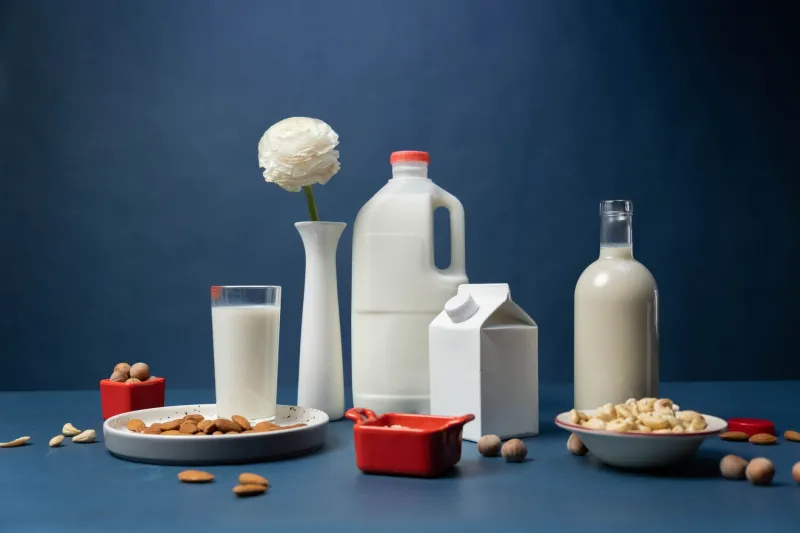
Let's set the scene. It's 2019. Oat milk is the coolest thing to happen to coffee since the flat white. Baristas are foaming it with reverence. Oatly is on backorder. People are genuinely excited about a beverage made from grain water, and rightfully so — it was creamy, it foamed beautifully, and it tasted like someone had figured out how to make plant milk that didn't immediately betray itself in hot liquid.
Fast forward to now. Oat milk is everywhere. It's at every coffee shop, every gas station, every hotel breakfast bar. And somehow, despite its total market domination, a growing number of plant-based consumers are quietly complaining that it doesn't taste quite the same as it used to.
They're not imagining things.
What Actually Happened to Your Oat Milk
When plant-based milk brands scale up — and oat milk brands scaled up aggressively between 2019 and 2022 — the economics of production start pushing against the quality of the original product. Ingredients get substituted. Formulations get tweaked. Processing shortcuts get introduced. None of this happens with a press release. It happens on a Tuesday, somewhere in a production facility, and you find out about it by noticing that your latte tastes slightly different and spending twenty minutes comparing old and new ingredient labels on Reddit.
Several leading oat milk brands have quietly increased their rapeseed oil content (listed as canola oil) while reducing the percentage of actual oat base, which affects both flavor and nutritional density. Others have introduced additional gums — gellan, locust bean — to compensate for the reduced oat solids and maintain that creamy mouthfeel consumers expect. The result is a product that looks similar on paper but performs differently in the cup.
"Consumers generally don't read ingredient lists carefully enough to catch incremental changes," says Dr. Sarah Linton, a food scientist who has consulted for several plant-based food startups. "And brands know that. A reformulation that happens in small steps over 18 months is much less noticeable than a sudden change. By the time people register that something's different, they can't pinpoint when it changed."
The Taste Test: We Drank a Lot of Plant Milk So You Wouldn't Have To
We assembled a panel of six tasters — a mix of plant-based veterans, dairy-switchers, and one extremely skeptical omnivore we brought in for calibration purposes — and put 22 plant-based milks through a blind evaluation. We tested each one straight (chilled), in coffee (both hot latte and iced), and in a simple béchamel sauce, because if a milk can't make a sauce, it's not a full citizen of the kitchen.
Here's where things landed:
Oat Milk: The Complicated Category
Oatly Barista Edition remains the gold standard for espresso drinks, and we won't pretend otherwise. The foam is still exceptional. But tasted straight, it's noticeably sweeter and more one-dimensional than it was in the early days — a trade-off that works in coffee and fails everywhere else. If you're a coffee person exclusively, it's still your best bet. If you're cooking with it or drinking it plain, there are better options.
Minor Figures is the underdog pick that kept winning our blind tests. UK-based but widely available in the US through Whole Foods and online, Minor Figures has maintained a cleaner formulation and a more restrained sweetness that makes it genuinely versatile. It foams well, it doesn't overpower tea, and it makes a respectable béchamel. It's the oat milk for people who are over oat milk's personality.
Planet Oat is fine in the way that a lot of things are fine — inoffensive, functional, and completely unmemorable. If it's what's available, you'll survive.
Soy Milk: The Comeback Kid
Soy milk got canceled somewhere around 2015 when oat milk arrived and everyone decided soy was problematic (it mostly isn't, but that's a whole other article). The result is that soy milk has been quietly improving while nobody was paying attention.
Silk Organic Unsweetened is the best plant milk for cooking, full stop. High protein content, neutral flavor, and a fat structure that behaves most like whole milk in sauces and custards. Our panel's béchamel made with Silk Organic was the closest to the real thing across all 22 milks tested.
Edensoy Unsweetened is for the purists — just organic soybeans and water, nothing else. It's thinner than most, slightly beany in a way that some love and some don't, and absolutely the choice if you want to know exactly what you're drinking.
Nut Milks: Proceed With Caution
The nut milk category has suffered the most from the scaling problem. Almond milk, in particular, has become a cautionary tale — most major brands now contain somewhere between 2% and 4% actual almonds, which means you're essentially drinking fortified almond-flavored water. Malk Organics is the exception, using a significantly higher nut-to-water ratio and cold-pressing to preserve flavor. It's more expensive, it's thinner than commercial almond milk, and it tastes like almonds instead of the ghost of almonds.
Elmhurst 1925 continues to be one of the most honest brands in the category — their cashew and walnut milks use a proprietary process that eliminates the need for added oils and gums, and the results are noticeably richer and more ingredient-forward than anything else in the nut milk space.
The Dark Horse: Pea Milk
Ripple Unsweetened keeps getting overlooked, and it shouldn't. Pea protein milk has the highest protein content of any plant milk (8 grams per cup, matching dairy), a neutral flavor that doesn't announce itself, and a texture that works across virtually every application. It's not exciting. It doesn't have a personality. But it is genuinely excellent, and in a category that has increasingly prioritized branding over substance, that counts for a lot.
The Homemade Option (Yes, Really)
If the reformulation problem bothers you enough, the nuclear option is making your own. Oat milk takes five minutes — blend rolled oats with water, strain through a nut milk bag, done. The result is fresher, cheaper, and contains exactly what you put in it. The downside is that it doesn't foam (the commercial foaming comes from added oils and emulsifiers), and it has a shorter shelf life.
For cooking and cold applications, homemade oat milk is genuinely superior to most commercial options. For your morning latte, you're probably still stuck with the carton.
The Bottom Line
The plant-based milk market has matured past the point where novelty is enough. The brands that are winning on taste and integrity right now are mostly the ones that didn't chase the oat milk boom at the expense of their formulations — Minor Figures, Elmhurst, Malk, Ripple. The brands that scaled fastest and cut corners most aggressively are the ones you recognize from every coffee shop in America.
Your oat milk is fine. It's just not what it was. And now you know where to look instead.