Grocery Store Villain Arc: The Packaged Foods Secretly Sabotaging Your Plant-Based Life
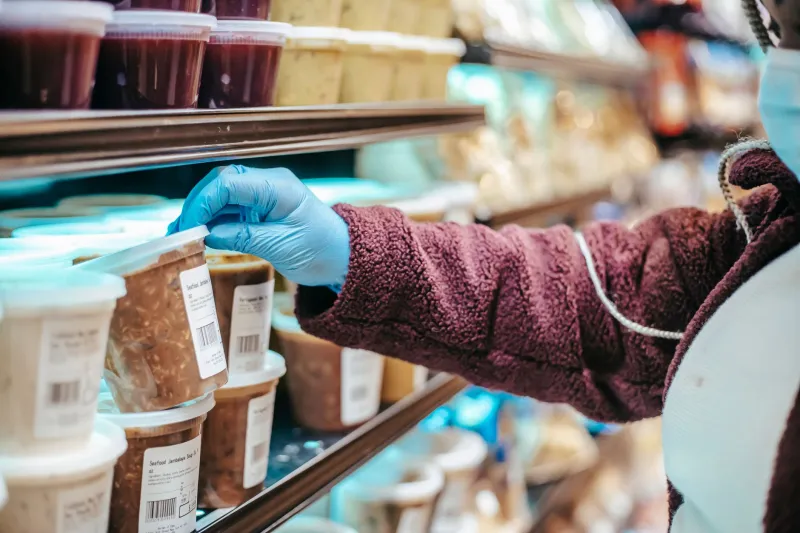
You've done everything right. You've sworn off the meat aisle. You've made peace with nutritional yeast. You've learned to pronounce 'aquafaba' without flinching. And yet, somewhere between the granola bars and the salad dressing, the grocery store has been quietly laughing at you.
Welcome to the plant-based pantry heist — a slow-motion crime in which everyday packaged foods steal your vegan credentials without so much as a warning label. The perpetrators? A rogues' gallery of sneaky animal-derived ingredients hiding in products that have absolutely no business containing them. The victims? Every well-meaning plant-based eater who trusted a box that said 'natural flavors' and moved on with their life.
We asked plant-based nutritionists, veteran label-readers, and a few people who've been burned badly enough to develop a hobby out of this to help us compile the definitive guide to grocery store betrayal. Grab your reading glasses. This is going to require some squinting.
The Sugar Situation Is Somehow Worse Than You Think
Let's start with the one that tends to make people spiral: refined white sugar. It looks vegan. It seems vegan. It is, after all, derived from plants. But here's where the plot thickens: many large-scale sugar refineries use bone char — yes, actual charred animal bones — as a decolorizing filter to achieve that pristine white color. The bone char doesn't end up in the sugar, technically, but it touches it during processing, which is enough to make most vegans back away slowly.
Not all sugar is processed this way. Beet sugar (hey, that's kind of our thing) is virtually always vegan-friendly, as are brands that specifically label their cane sugar as vegan or use alternative filtration methods. Look for brands like Wholesome Sweeteners or Florida Crystals if you want to keep your baking above suspicion. Organic cane sugar is also generally a safer bet, since certified organic standards prohibit the use of bone char.
The lesson: the most innocent-looking ingredient in your cabinet might have a dark past.
Salad Dressing's Double Life
Few things feel more plant-adjacent than a bottle of salad dressing. You're literally pouring it on vegetables. And yet, a disturbing number of popular dressings — including many that market themselves as 'light' or 'creamy' — contain whey, casein, anchovies, or anchovy paste lurking somewhere in the fine print.
Caesar dressing is the obvious offender (anchovies are basically its whole personality), but the betrayals extend further. Certain ranch dressings contain whey protein. Some 'Asian-inspired' sesame dressings sneak in fish sauce. Even a few vinaigrettes contain honey, which is a debate for another day but worth noting if you're fully committed.
'People assume that if something is plant-adjacent in its purpose, it must be plant-based in its ingredients,' says registered dietitian Maya Okonkwo, who specializes in vegan nutrition counseling. 'That's not how food manufacturing works. Always flip the bottle.'
Always flip the bottle. That's going on a tote bag.
The Bread Aisle Is a Crime Scene
Some breads are vegan. Many are not. The frustrating part is that there's no visual cue — a loaf that looks perfectly wholesome might contain L-cysteine (an amino acid sometimes derived from poultry feathers or hog hair, used as a dough conditioner), whey, or mono- and diglycerides derived from animal fats.
L-cysteine is particularly sneaky because it can also be synthetically produced or derived from plant sources, meaning you often can't tell from the label alone which version you're getting. Your best move is to stick with breads that are explicitly labeled vegan, or to check brands against databases like Barnivore or the Vegan Society's product directory.
Sourdough, for what it's worth, is typically made with just flour, water, salt, and a starter — and is one of the safer bets in the bread aisle. Which is convenient, because sourdough is having a moment that doesn't appear to be ending anytime soon.
'Natural Flavors': The Most Useless Two Words in the English Language
If you've spent any time reading ingredient labels, you've encountered 'natural flavors' and felt the unique frustration of learning absolutely nothing. Under FDA regulations, 'natural flavors' can be derived from animal or plant sources — and manufacturers are not required to specify which. Castoreum (a secretion from beaver anal glands, famously used as a vanilla flavoring) gets brought up constantly in this conversation, though its actual prevalence in modern food manufacturing is debated. Still, the point stands: 'natural flavors' is a legal black box.
For truly committed plant-based eaters, the safest approach is to contact manufacturers directly — many have customer service lines or email addresses that will tell you whether their natural flavors are plant-derived. It's a tedious workaround, but it's the only one we've got until labeling laws catch up with consumer expectations.
Red Food Dye and the Bug in the Machine
Carmine. Red 4. Cochineal extract. These are all names for the same thing: a red pigment derived from crushed cochineal insects, used to achieve vivid red and pink hues in everything from fruit juices to yogurt to certain candies. It's FDA-approved, technically 'natural,' and completely invisible to anyone who isn't specifically looking for it.
Strawberry-flavored products are a common hiding spot. So are some 'fruit punch' style beverages and certain maraschino cherries. If you're scanning a label and see carmine, cochineal extract, or E120 (its European designation), you've found your culprit.
The good news: synthetic red dyes like Red 40 are actually vegan, which is a sentence that feels strange to type but is nonetheless true.
How to Actually Protect Yourself
Here's the honest truth: reading every label, every time, is exhausting. Nobody is going to do it perfectly. But a few habits can dramatically reduce your chances of being ambushed:
Use apps. Scan labels with apps like Yummly, HappyCow's product scanner, or Is It Vegan? They won't catch everything, but they'll flag the most common offenders faster than your eyes can.
Learn the alias list. Animal-derived ingredients frequently travel under assumed names. Casein, whey, albumin, gelatin, lard, tallow, lanolin, carmine, and L-cysteine are the big ones to memorize.
Default to 'certified vegan' when it matters. Products bearing the Certified Vegan logo from Vegan Action have been vetted. It's not the only trustworthy standard, but it's a reliable shortcut.
Make peace with imperfection. Plant-based nutritionist Dr. Renata Fuentes puts it well: 'The goal is to reduce harm, not to achieve a perfect score on a purity test. Do your best with the information you have. The food industry makes this harder than it needs to be — that's the system's failure, not yours.'
The Takeaway (Other Than Righteous Indignation)
The grocery store is not your enemy. But it's also not your ally. It's more like a chaotic neutral acquaintance who occasionally slips anchovy paste into your vinaigrette and then acts surprised when you're upset about it.
The more you know, the better you shop. And the better you shop, the fewer times you have to find out — mid-bite — that your otherwise excellent Tuesday salad had a complicated relationship with a fish.
Stay suspicious, friends. Read the label. Flip the bottle. And maybe just make your own dressing.