Skip the Coasts: The Surprising American Cities Where Plant-Based Eating Is Absolutely Thriving
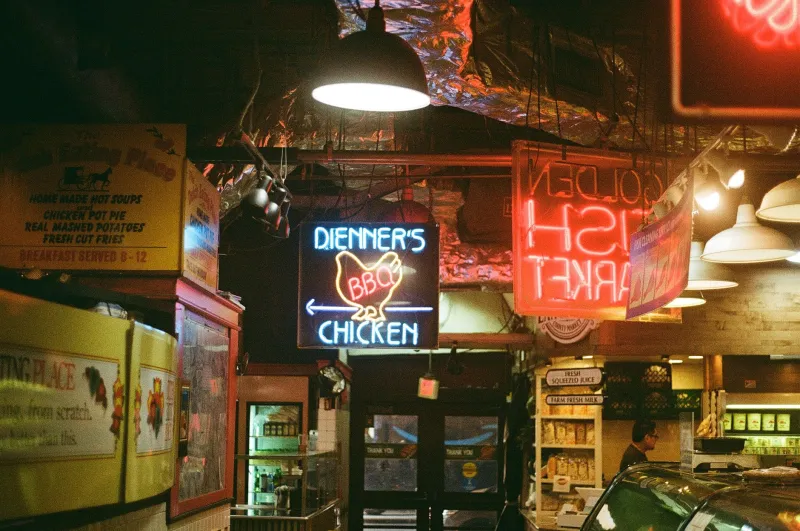
Ask most people where to find the best vegan food in America and you'll get the same three answers: Los Angeles, New York City, Portland. And sure, those cities are great. We won't argue with you. But here's the thing — the most interesting, most vibrant, most alive plant-based food scenes in the US right now are not in the places that have been getting the press coverage.
They're in unexpected corners of the country, built by communities who got tired of waiting for the coasts to validate them. They're rooted in local agricultural traditions, immigrant food cultures, and a genuine DIY spirit that produces food that's more interesting — and often more affordable — than anything you'll find at a $28-a-bowl wellness café in Venice Beach.
We've compiled the six most underrated plant-based dining destinations in America. Start planning.
Detroit, Michigan: The Comeback City with the Best Vegan Soul Food in the Country
Detroit's food renaissance is one of the great untold stories of American cuisine, and its plant-based scene is a huge part of that story. The city has a deep tradition of African American culinary culture, and a growing number of chefs are reimagining soul food classics through a plant-based lens in ways that are nothing short of revelatory.
Where to eat: Detroit Vegan Soul has been leading this charge for years, serving collard greens, black-eyed peas, macaroni and "cheese," and fried "chicken" made from seitan that will make you question your entire relationship with the original. The portions are generous, the prices are reasonable, and the dining room feels like a family gathering in the best possible way. For something newer and buzzier, Seva Restaurant has been a vegetarian anchor in the city for decades and continues to evolve, while the plant-based menu at Dime Store proves that brunch doesn't require eggs to be extraordinary.
The local angle: Detroit's urban farming movement is genuinely impressive — the city has more community gardens per capita than almost any major US city, and several restaurants source directly from neighborhood farms. The growing season is shorter than California's, but the produce intensity that comes from Midwestern soil is real.
Practical tip: Detroit is extremely driveable from Chicago, Cleveland, and Toronto. A weekend trip is very doable, and the combination of great food, incredible architecture, and world-class art (the DIA's collection is free on Sundays) makes it a genuinely complete travel destination.
Tucson, Arizona: A UNESCO City of Gastronomy with Deep Plant-Based Roots
Tucson became the first US city designated a UNESCO City of Gastronomy, and while that designation covers the full breadth of its culinary heritage, the plant-based implications are significant. The Sonoran Desert borderlands food tradition is one of the oldest and most vegetable-forward culinary cultures in North America, with indigenous crops like tepary beans, cholla buds, saguaro fruit, and heritage squash forming the backbone of a food culture that predates "plant-based" as a marketing category by several centuries.
Where to eat: Tumerico is the crown jewel — a tiny, frequently mobbed restaurant serving Mexican-inspired vegan food that is simultaneously rooted in Sonoran tradition and wildly creative. The enchiladas, the pozole, the agua frescas: all extraordinary. Seis Kitchen offers a more casual take on Sonoran-Mexican cuisine with robust vegetarian and vegan options. For something completely different, Prep & Pastry has a brunch menu with plant-based options that make Sunday mornings feel like a special occasion.
The local angle: Tucson's connection to indigenous foodways gives its plant-based scene a depth and authenticity that's rare. The Tohono O'odham Community Action food sovereignty project has helped revive heritage crops that are now appearing on restaurant menus across the city. Eating plant-based in Tucson is an act of culinary archaeology as much as it is a dietary choice.
Practical tip: Summers are brutal (we're talking 110°F brutal), so plan your visit for October through April. The Tucson Gem and Mineral Show in February is a bonus attraction that makes the trip feel even more worth it.
Richmond, Virginia: The South's Most Quietly Radical Food City
Richmond doesn't get nearly enough credit for what it's doing culinarily, and its plant-based scene in particular is punching well above its weight class. The city has a young, politically engaged population, a thriving arts scene, and a food culture that takes both tradition and innovation seriously.
Where to eat: Ipanema has been Richmond's beloved vegetarian restaurant for over two decades and remains essential — the menu changes seasonally, the wine list is thoughtful, and the atmosphere is exactly what a neighborhood restaurant should feel like. Nate's Taco Truck (now with a brick-and-mortar location) makes plant-based Mexican food that will ruin you for lesser tacos. For something truly special, the tasting menus at Longoven consistently feature vegetables as central players rather than afterthoughts.
The local angle: Virginia's Shenandoah Valley produces exceptional vegetables, and Richmond's proximity to this agricultural powerhouse means that farm-to-table isn't a slogan here — it's a logistical reality. The James River and the Blue Ridge Mountains are also right there, which means your food comes with a spectacular natural backdrop.
Practical tip: Richmond is perfectly positioned on the East Coast for a road trip connecting DC, Charlottesville, and the Outer Banks. Amtrak also runs direct service from DC, making it an accessible weekend escape for the Northeast corridor.
Minneapolis, Minnesota: Cold Weather, Warm Bowls, and the Midwest's Best Vegan Scene
Minneapolis has been quietly building one of the most impressive plant-based food ecosystems in the country, driven by a combination of Somali, Ethiopian, Hmong, and Mexican immigrant food cultures alongside a strong tradition of Midwestern food co-ops and a population that takes healthy eating seriously even when it's -20°F outside.
Where to eat: Herbivorous Butcher — the country's first vegan butcher shop — is a Minneapolis original and still extraordinary. Their housemade "meats" and cheeses are available at the shop and used by restaurants across the city. Birchwood Cafe has been a plant-forward institution for 25 years and remains one of the most comforting dining experiences in the Midwest. For Ethiopian food (one of the most naturally vegan-friendly cuisines on the planet), Bole Ethiopian Cuisine in Minneapolis offers a beyaynetu — a full platter of lentil stews, vegetable dishes, and injera — that is both a meal and a spiritual experience.
The local angle: Minnesota's food co-op culture is among the strongest in the country. The Wedge Co-op and Seward Co-op are institutions that stock local produce and products you genuinely cannot find elsewhere. A visit to either feels like a pilgrimage.
Practical tip: Embrace the cold. Minneapolis in winter has a coziness (the Scandinavians call it hygge) that makes the food taste better. Bring layers and an appetite.
New Orleans, Louisiana: Creole Vegan Is a Real Thing and It Will Change Your Life
Wait — New Orleans? The city of boudin and andouille? Yes. Absolutely yes. New Orleans has a long and underappreciated tradition of vegetable-forward Creole cooking, and a new generation of chefs is building on that foundation to create plant-based food that is every bit as bold, soulful, and unapologetically delicious as the meat-based classics.
Where to eat: Seed is the anchor of the NOLA plant-based scene, serving creative vegan takes on Creole classics — the jackfruit étouffée is not a joke, it's a revelation. Meals from the Heart Café does extraordinary work with traditional Louisiana vegetable dishes. For something more casual, the vegan options at the city's many Vietnamese restaurants (New Orleans has one of the largest Vietnamese communities in the US) are exceptional and often naturally plant-based.
The local angle: Louisiana's agricultural tradition includes some of the most extraordinary produce in the country — Creole tomatoes, mirlitons, Camellia Brand beans, and peppers of every description. The food is big, bold, and deeply seasoned, and it translates beautifully to plant-based cooking.
Practical tip: Jazz Fest (late April/early May) is an incredible time to visit — the food vendors include plant-based options, and the energy of the city is at its absolute peak.
Albuquerque, New Mexico: Green Chile Season Is a Plant-Based Holiday
New Mexico's food culture is sui generis — it belongs to no other regional tradition in America and cannot be fully understood until you've experienced the annual ritual of green chile roasting season (August through October), when the smell of charring Hatch chiles fills every parking lot and neighborhood in the state.
Where to eat: Zacatecas Tacos + Tequila does exceptional plant-based New Mexican food, with the red and green chile sauces ("Christmas" means both on the same plate, and you should always order Christmas) elevating everything they touch. Vinaigrette is a salad-centric restaurant that manages to make salads feel genuinely exciting — no small feat. Flying Star Cafe is an Albuquerque institution with a broad vegetarian menu and the kind of reliable, all-day comfort that makes it a road trip essential.
The local angle: Hatch green chile is the backbone of New Mexican cuisine and is one of the most extraordinary agricultural products in the US. It's also, conveniently, completely plant-based and capable of transforming almost any dish it touches. Come in September. Buy a case of freshly roasted chiles. You can thank us later.
Practical tip: Albuquerque sits at 5,300 feet elevation, which means the air is dry, the sunsets are violent in their beauty, and you'll be slightly winded climbing stairs for the first day. Drink water. Eat green chile. Repeat.
Planning Your Plant-Based Road Trip
A few practical notes for the vegetarian traveler venturing beyond the coasts:
- Use HappyCow (happycow.net) religiously — it's the most reliable resource for finding plant-based restaurants in unfamiliar cities.
- Don't overlook ethnic restaurants. Indian, Ethiopian, Vietnamese, Mexican, and Middle Eastern cuisines all have deep vegetarian and vegan traditions and often represent the best plant-based eating in any given city.
- Call ahead for tasting menus. Many fine dining restaurants will create a custom plant-based tasting menu with advance notice — this is often where the most creative cooking happens.
- Visit farmers markets. In every city on this list, the Saturday farmers market is a portal into the local food culture and often the best meal you'll have all trip.
The plant-based food revolution is not a coastal phenomenon. It never was. It's happening in church kitchens and food trucks and co-op cafeterias in cities that don't make the food magazine covers. Get in the car. The beets are waiting.